
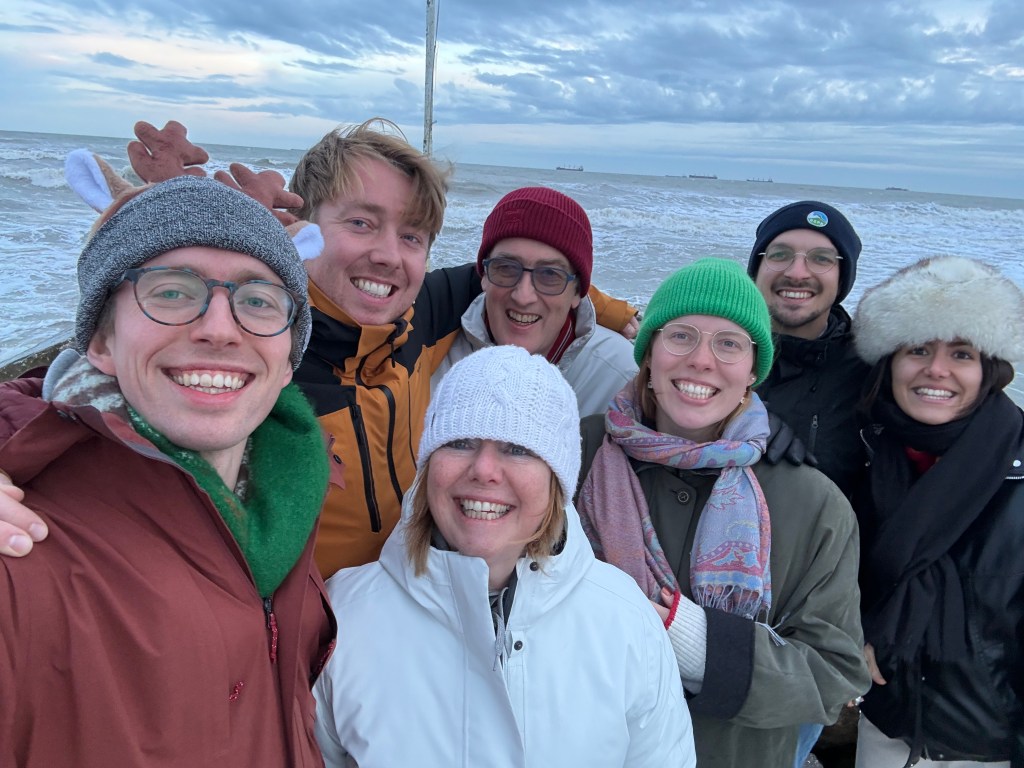
(to my American peers)
above photograph: Lido di Venezia
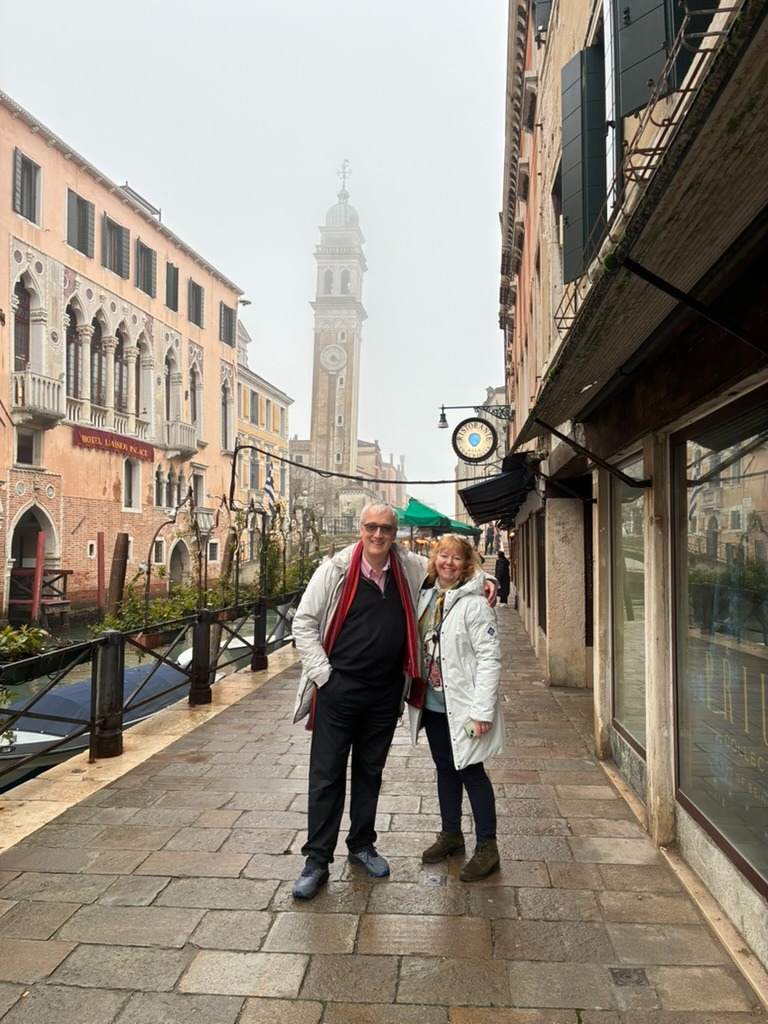
My beloved Parents in Venice, Italy c.2025
My darling mother made me laugh this morning as she remarked in the family WhatsApp chat that “a second mother’s day doesn’t sound like a bad idea”, in response to my brother and sister wishing her Happy Mother’s Day on this May 10th (the American Mother’s day) where British Mothering Sunday (the original Mother’s day) already occurred this year on March 15th. Woodrow Wilson instituted Mother’s Day in the US in 1914 as a result of the labours of Anna Maria Jarvis; this coincided with a British revival of an historic tradition, some details of which I shall summarize below.
The fourth Sunday of Lent (from the Old English lencten meaning “lengthen” and associated with the longer days accompanying the Spring Season) has traditionally marked Mother’s Day and the Roman Catholic Church has had some ritual in the liturgical calendar for something of the order of 1,000 years. For all of the philistines and heathens out there Lent is a period of reflection, or even repentance, during the build up to Easter and represents the 40 days Jesus endured fasting throughout an inhospitable desert while being tempted by the devil. One truly does not have to look far to see the opportunity to apply this metaphor to modern life, be it culturally or otherwise.
The direct line back to Christ himself here is characterised by Paul the Apostle (literally the one sent off, from the Ancient Greek apóstolos) interpreting the following excerpt as speaking to the expansion of the concept of motherhood beyond fertility and the material world:
But the Jerusalem which is above is free, and is the mother of us all
Traditionally the half-way point of Lent, Laetare Sunday (also known as Refreshment Sunday) in the Catholic church, would have coincided with the return of child servants from their labours at their master’s residences (c.1600) to both their home and mother church i.e. that at which they were baptised. After their church service the returned children would present their mothers with fruitcakes, called Simnel cake, and flowers.
This is of course an exceedingly brief history, though I hope this goes some way to highlighting the cultural depth of this celebration and its evolution over a great many generations.
I’m grateful to my Mother for a very great many things; an enthusiastic curiosity regarding history, culture and art is perhaps the most striking influence. Though ultimately, of course, I owe everything to her. Happy Mother’s Day to one and all.
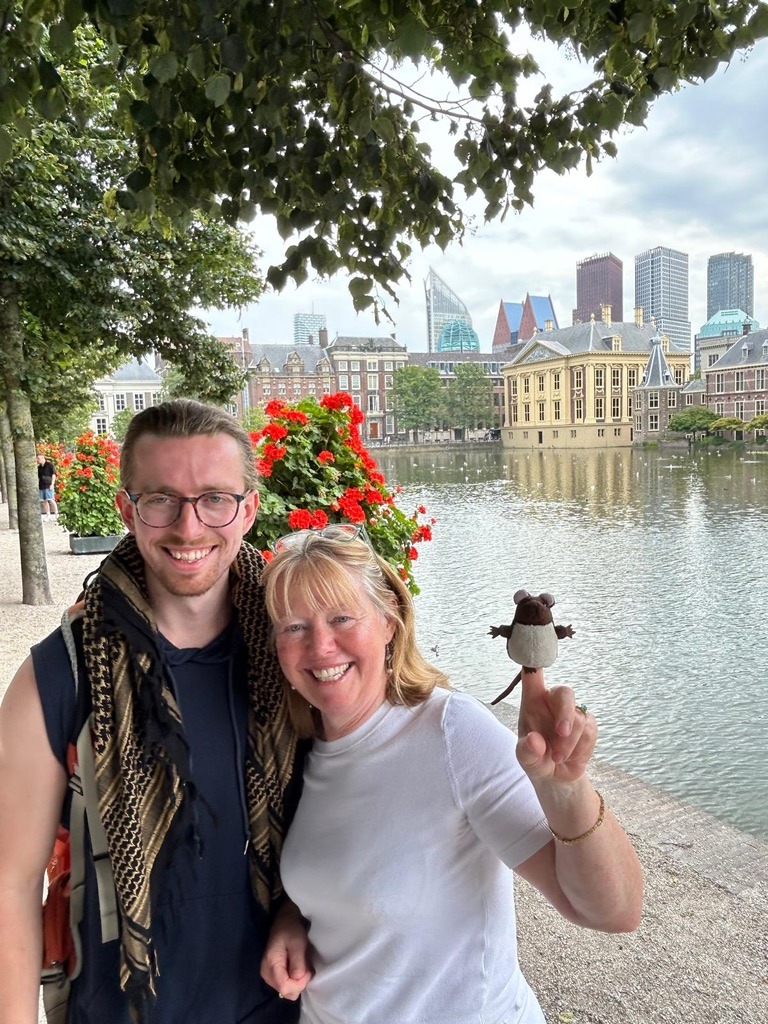
Photo in Den Hague from the Archives

